
October Community Updates
Wonder what’s going on in our active Alaskan world? Check out what’s happening and see shows, competitions, classes, events and more.
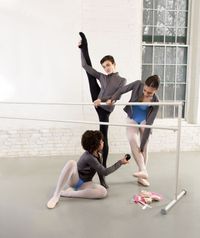
Ah, the ballet rehearsal. It is a sacred, chaotic ritual unlike anything else in the world. Walk into a studio on a Saturday morning, and you’ll find a magnificent ecosystem of flying hairpins, the collective scent of rosin and deep-heat ointment, and thirty dancers intensely debating whether their left toe tape is holding on by faith alone. It’s a place where sweat is heavy in the air, someone is always frantically sewing a ribbon three minutes before the music starts, and a piano plays a Tchaikovsky while half the cast silently mouths counts into the mirror like they're casting a spell.
Let's be honest: rehearsals are where the real magic happens—long before the stage lights come up and the curtain rises. Between dodging grand allégro, and nursing that one stubborn blister on your big toe, surviving the studio can feel like an extreme sport.
Don't worry, you don’t have to wing it. Whether you're a seasoned soloist or still trying to figure out how to make your bobby pins hold your bun together, we’ve got your back. Here are 7 tips to help you survive rehearsal.
1. Arrive early and warm up
Look, we all love the adrenaline rush of sliding through the studio door thirty seconds before class starts, hair half-pinned and heart racing but rushing in cold is basically sending a formal invitation to every injury in the book. Give yourself a solid 15 minutes before the scheduled start time. Use that window to wake up your joints, get your body warm, ease into a safe stretch, and mentally transition from whatever chaos happened outside the building into your dancer zen. Your hamstrings will thank you later.
2. Dress the part
First things first: always make sure you check the guidelines, because rehearsal dress code is not always class dress code. Beyond following the rules, what you wear dictates how your muscles perform. Sure, that ultra-cute, minimalist leotard looks stunning, but if it requires constant readjusting or leaves your lower back freezing between combinations, it’s a distraction. Layer up! Especially in Alaska—where the studios can sometimes feel like an icebox—you need to pile on the layers. Throw on a cozy knit sweater, warm-up booties, or pull-on pants. Keeping your muscles warm during downtime is the secret weapon to preventing cramps and stiffness when the music suddenly starts back up. Need to stock up on gear? Head over to Allegro and Co to get all your ballet needs sorted before rehearsal season kicks off.
3. Be prepared
A successful rehearsal relies on two things: your gear and your sanity. First, treat your pointe shoes with the respect they deserve—break them in gradually, double-check your ribbons and elastics, and rotate pairs so you aren't dancing on dead, soggy cardboard. Second, pack your dance bag: stash it with extra tights, toe tape, bandaids, bobby pins, and a sewing kit. When a ribbon snaps five minutes before a run-through, you’ll feel like a prima ballerina rather than a panicking swan.
4. Stay hydrated and fuel smart
Ballet requires the endurance of a marathon runner combined with the grace of an angel, which means your body needs actual fuel. Don't rely on willpower and pure vibes alone. Pack a water bottle loaded with electrolytes, and keep light, easily digestible snacks—like fruit, nuts, or a small granola bar—on hand. You want something that gives you instant stamina without making you feel like you just ate a brick right before executing a triple pirouette.
5. Stay engaged
Choreography moves at the speed of light, and your brain will betray you under pressure. Take quick, tactical notes during water breaks to jot down counts, spatial directions, and corrections in a small notebook or your phone. Just as importantly, practice active listening when the choreographer is working with another cast. Staying quiet and tuned in keeps the studio atmosphere respectful and ensures you catch your cues the second they're called.
6. Practice how you perform
Remember the golden rule: how you practice is how you perform. Because muscle memory doesn't know the difference between a rehearsal and a show, only mark when a teacher explicitly tells you to! When you are given the green light to mark, there's a delicate art to it. While marking is a lifesaver for saving physical stamina and protecting your joints from overuse, don't fall into the trap of sleepwalking through it entirely—or worse, going full-out when you're supposed to be saving it. Treat every single run-through with the intention and intensity of opening night so that when the curtain finally goes up, your body knows exactly what to do.
7. Apply corrections
Let’s get one thing straight: a messy rehearsal is totally fine. Perfection is an illusion, but stagnant growth is a choice. When the ballet master gives you a correction, don't shrink away from it because you're worried about looking clumsy. Lean into it. The magic happens in the ugly, sweaty, repetitive process of fixing the same detail three hundred times until it finally sticks.
At the end of the day, ballet isn't about achieving an impossible standard of perfection in every single rehearsal—it’s about showing up for yourself, respecting your body, and building the habits that let your artistry shine when it counts. The studio is your laboratory, your sanctuary, and occasionally, your sweat-soaked battleground.
Whether you need a fresh set of dance gear, new ballet shoes, or an expert fitting for your next pair of pointe shoes, make sure to stop by Allegro and Co to get fully equipped before you step into the studio. So pack your bag, tie your ribbons, and go crush your next rehearsal.